
SWNR®, VOORMI®, and Microsoft are bringing connected worker intelligence into Azure IoT Operations through the Mij™ platform.
Industrial teams have connected almost everything around the jobsite: machines, production lines, fleets, buildings, tools, and environmental systems. They can monitor equipment health, track site conditions, and optimize operations in near real time.
But one of the most important operational signals has still been hard to see clearly: the worker in the field.
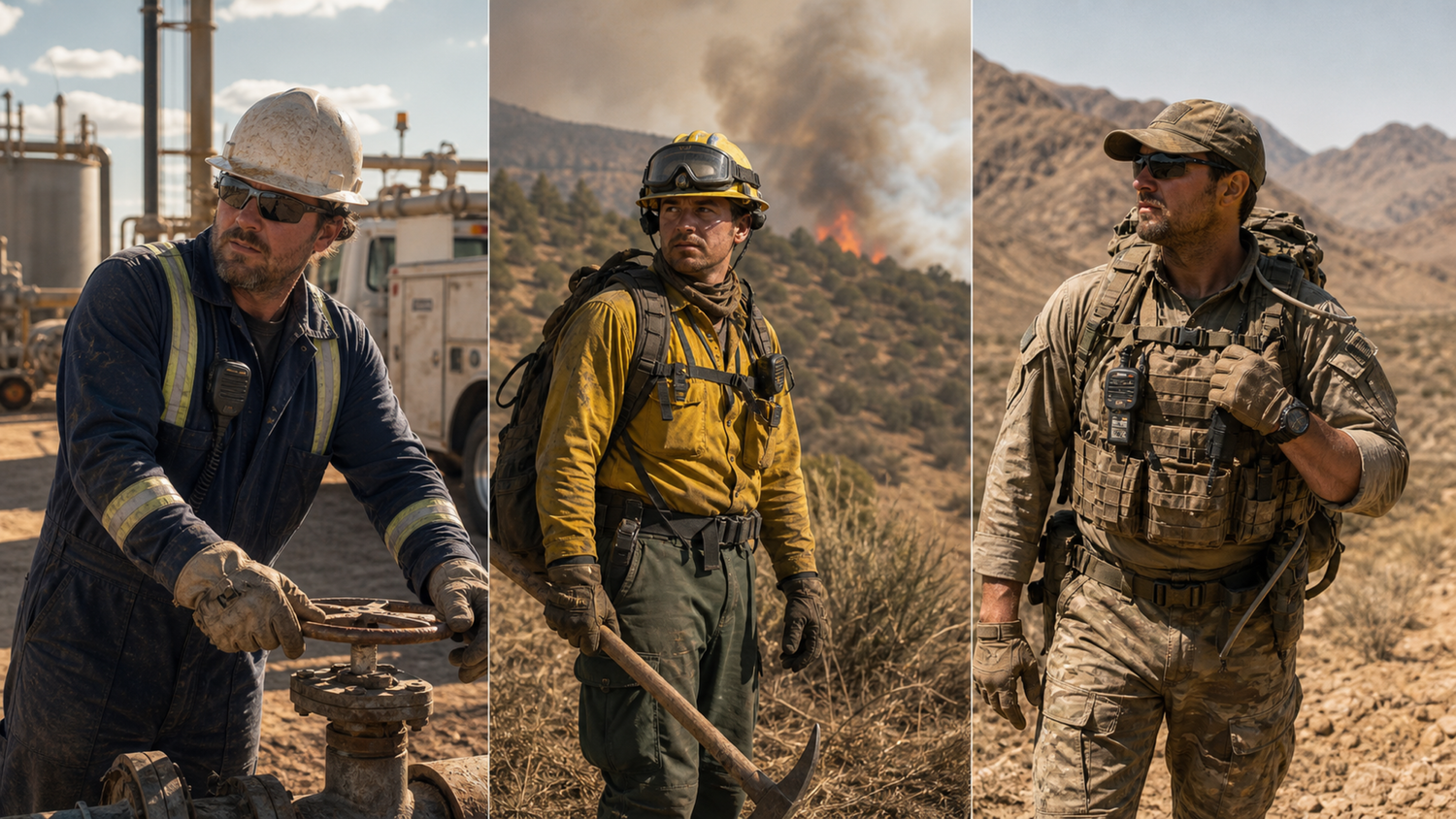
That gap matters. Workers operate in high-heat environments, remote locations, hazardous sites, and physically demanding conditions where situational awareness can change quickly. Too often, safety and operations teams are left relying on check-ins, radio calls, visual observation, or incident reports after a problem has already surfaced.
Mij™ is built to help close that gap, starting with something workers already wear: clothing.
Developed by SWNR, the Mij™ platform enables garments to become a practical human telemetry layer for industrial operations. VOORMI, SWNR’s performance apparel brand, is one place that platform comes to life: field-ready clothing designed for real environments, with the ability to carry useful worker-level signals into the systems teams already use to manage safety, readiness, and operations.
The point is not to add another gadget, screen, puck, strap, or behavior change. Apparel is already accepted in the field. It moves with the worker. It sits closest to the body. When sensing is built into the clothing layer, required workwear can become part of the operational safety system instead of another wearable program to manage.
In enterprise environments, that signal can matter. Near-body conditions, heat-related risk indicators, motion and activity context, location context, safety events, and device health can help teams understand what is happening across crews, shifts, sites, and incidents. The point is not to turn people into machines. The point is to make the human layer visible enough to improve awareness, response, training, and field readiness.
The bigger unlock is where that data goes.
Many connected worker products create another vendor cloud, another dashboard, another identity model, and another data-governance exception. Mij™ is built for a different path: worker telemetry that can flow into a customer-controlled Microsoft Azure environment, including Azure IoT Operations and Azure IoT Hub.
That means human telemetry can live beside machine, site, and environmental data under the customer’s existing security, governance, analytics, and operations model. Safety and operations teams can use the data in the tools they already trust instead of starting from scratch with another isolated platform.
For industrial customers, the near-term use cases are practical and immediate: heat-related worker risk, connected-worker safety, field readiness, incident response, crew visibility, and operational awareness in high-consequence environments. Over time, those same signals can support more adaptive workflows, better decision support, and AI-ready operations that account for people, equipment, and environments together.
This is the shift SWNR and VOORMI are building toward with Microsoft: industrial transformation is no longer only about connected machines. It is about connected operations, where people, equipment, environments, and AI systems participate in a shared intelligence layer.
Mij™ helps make that future possible by turning everyday workwear into Azure-connected safety infrastructure, without forcing customers into another wearable cloud.